Top Mistakes to Avoid in Pallet Liquidation: A Guide for Beginners
In the world of pallet liquidation, newcomers often come across several pitfalls that can obstruct their success. Many first-time participants neglect essential elements such as thorough market research and proper pallet evaluation. Additionally, they may fail to account for hidden costs and the importance of networking. Each of these missteps can considerably influence profitability. Understanding these common mistakes is critical for those seeking to navigate this complex landscape effectively. Which approaches can ensure a smoother start in pallet liquidation?
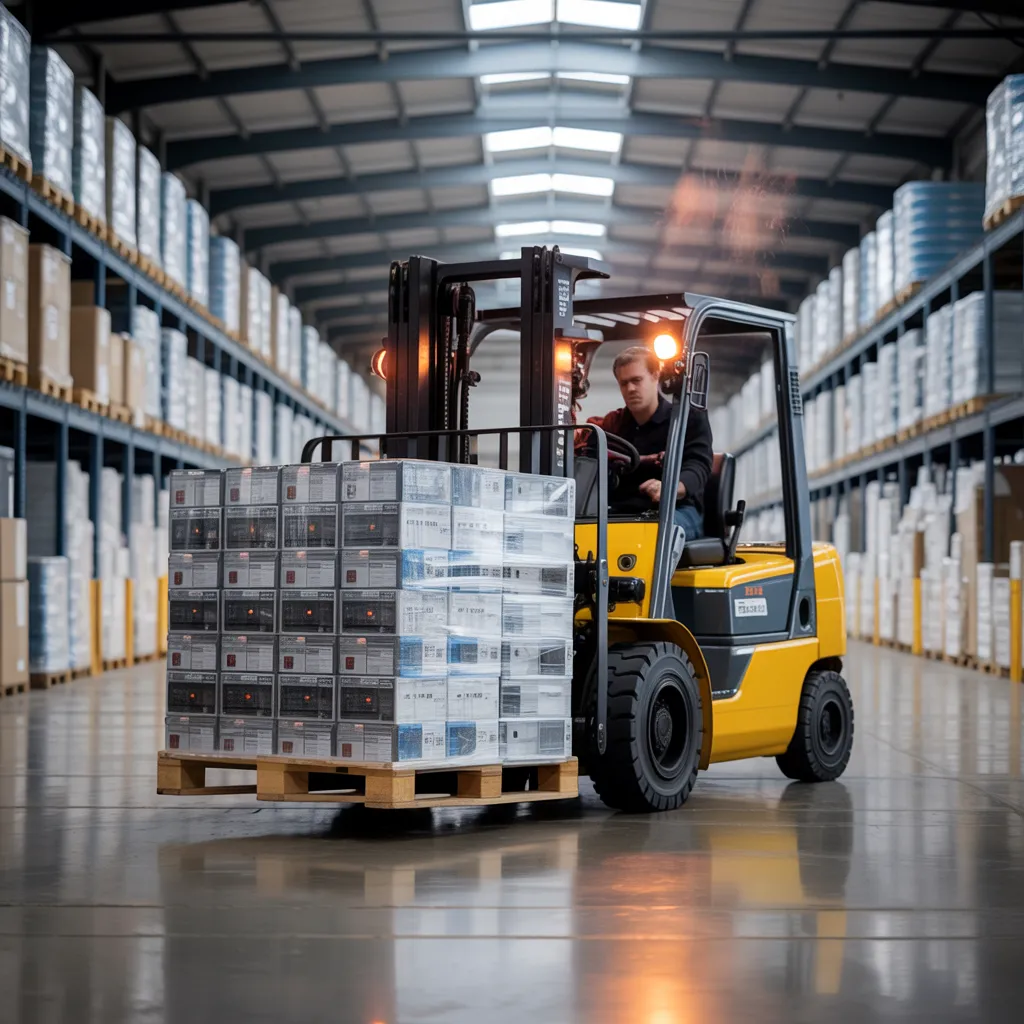
Prevent Misjudging Pallet Quality in Liquidation
In the field of pallet liquidation, assessing quality is critical. Beginners often misjudge the condition of pallets, which can cause substantial monetary setbacks. Recognizing the difference between recoverable and unrecoverable items is crucial. Many individuals tend to overlook superficial damages, believing that slight deterioration has no impact on total worth. Nevertheless, concealed flaws may lead to unexpected expenses during resale or removal.
Moreover, depending only on visual inspections may be deceptive. It is advisable to examine product descriptions in detail and, where feasible, examine pallets directly. This method assists in uncovering latent defects that may go unnoticed at first glance. Additionally, understanding market demand for specific items aids in forecasting potential profits. Through conducting a rigorous appraisal of pallet integrity, buyers can sidestep significant financial pitfalls and boost earnings from their operations. Recognizing the importance of quality assessment represents an essential foundation for achieving success in pallet liquidation.
Know the Local Regulations
While navigating the intricacies of pallet liquidation, understanding local regulations is vital for success. Adhering to local laws can significantly influence the profitability and sustainability of a liquidation business. Different regions may have distinct regulations governing the resale of goods, including safety guidelines and labeling mandates. Failing to follow these regulations can result in penalties or legal action, threatening the viability of the entire operation.
Additionally, land use laws may affect where liquidation businesses are allowed to operate. A complete knowledge of local ordinances will help avoid significant missteps, such as setting up a warehouse in a prohibited area. Furthermore, certain states levy taxes on specific categories of goods or demand authorization for sales events. As a result, carrying out detailed research into regional regulations is a critical measure for those looking to enter the pallet liquidation industry. Adhering to these guidelines facilitates smoother business processes and encourages lasting achievement in the field.
Carry Out Market Research for Pallet Liquidation
Performing comprehensive market research is vital for effective pallet liquidation. This involves studying local demand patterns, reviewing competitor offerings, and assessing pricing strategies to ensure a competitive advantage. By understanding these factors, organizations can make strategic decisions that improve their liquidation efforts.
Assess Local Demand Trends
In what ways can understanding local demand trends significantly influence pallet liquidation success? Studying these trends permits liquidators to synchronize their inventory with community needs, securing improved sales potential. Local demand can fluctuate considerably due to factors including seasonality, economic conditions, and demographic changes. By performing detailed market research, liquidators can pinpoint which products are most demanded and refine their purchasing strategies appropriately. This insight not only minimizes unsold inventory but also enhances profitability. Moreover, remaining in tune with local preferences can aid in creating tailored marketing strategies, cultivating deeper connections with potential buyers. At its core, a thorough awareness of local demand trends supplies pallet liquidators with the vital tools needed to make sound decisions and streamline their operations.
Examine Competitor Offerings
An in-depth knowledge of what competitors offer can significantly improve a pallet liquidator's position in the market. By conducting extensive market research, liquidators can pinpoint the types of pallets and products competitors are offering, as well as their supply acquisition approaches. This understanding helps in uncovering underserved market segments that could be capitalized on for improved returns. Additionally, analyzing competitors' capabilities and limitations allows liquidators to differentiate their own offerings, ensuring they meet consumer demands more effectively. Reviewing customer feedback on competitor products can offer useful insights on performance and service benchmarks. Ultimately, researching what competitors provide equips pallet liquidators with the understanding necessary to refine their approach and more effectively establish their presence in a dynamic market environment.
Evaluate Pricing Strategies
Analyzing pricing approaches is vital for pallet liquidators aiming to boost their earnings. To create effective pricing, sellers must perform comprehensive market research, analyzing the consumer interest in specific goods and rival listings. Identifying geographic pricing differences and cyclical patterns can reveal opportunities for ideal pricing structures. Furthermore, evaluating purchase prices with expected selling prices aids in pinpointing profitable margins. Sellers should also consider buyer profiles; tailoring pricing to different buyer segments can enhance sales. Furthermore, embracing dynamic pricing approaches, such as reduced rates for large orders or special pricing context information events, can draw in a larger audience. Ultimately, a thoroughly researched pricing strategy not only increases earnings but also positions the liquidator competitively within the market.
Identifying Hidden Fees in Pallet Liquidation
In pallet liquidation, unexpected costs can substantially influence profit margins. Unexpected shipping fees, auction platform charges, and losses from unsold inventory often go unnoticed. Understanding these expenditures is vital for a profitable liquidation plan.
Unanticipated Shipping Charges
While exploring pallet liquidation choices, one critical area often overlooked is the potential for unexpected shipping fees. A large number of newcomers concentrate on the cost of the inventory itself but fail to account for the supplementary fees linked to moving the pallets. Freight costs can differ significantly based on the vendor's geographical position, the scale of the delivery, and the chosen copyright. Furthermore, certain vendors may impose additional fees for freight services or require buyers to arrange their own shipping, adding complexity to the procedure. To steer clear of unwanted complications, it is important to confirm freight conditions prior to completing a transaction. Being aware of these expenses can avoid considerable budget overruns, guaranteeing a more precise monetary evaluation of the overall liquidation endeavor.
Auction Platform Charges
Navigating the landscape of pallet liquidation frequently uncovers a maze of auction platform costs that can significantly impact financial returns. Many newcomers fail to notice these undisclosed charges, which can include submission fees, end-value fees, and payment handling costs. Every platform operates with a unique pricing model, and being aware of these can eliminate surprise financial burdens. Additionally, some auctions may impose purchaser surcharges that inflate the overall payment amount. It is critical for beginners to thoroughly review the platform policies and cost breakdowns before signing up with any platform. By keeping track of these costs, liquidators can more accurately evaluate their complete financial commitment and expected gains, ultimately leading to better-informed buying choices.
Unsold Stock Losses
Identifying financial losses from unsold inventory is critical for professionals working in pallet liquidation. Items that remain unsold can generate costs that substantially influence profitability. Initially, there are storage costs, which increase with time as products sit unsold. In addition, remaining inventory can trigger price cuts or liquidation sales, steadily cutting into potential profits. Moreover, the possibility of deterioration or damage increases as time passes, generating additional financial burdens.
In addition, enterprises may overlook the opportunity cost of resources locked in excess inventory, which could have been allocated to other ventures. A thorough analysis of excess stock enables liquidators to reach better decisions, cut down on losses, and optimize future purchasing strategies. Understanding these underlying costs is essential to supporting a sustainable pallet liquidation business.
Grow Your Network
Cultivating a strong professional network is essential for anyone exploring pallet liquidation. Forming connections with industry professionals, supply partners, and other professionals in liquidation can considerably boost opportunities and insights. Connecting with nearby businesses, participating in trade shows, and taking part in online forums can cultivate partnerships that deliver important insights about finding pallets and staying current with market developments.
Furthermore, building connections can lead to beneficial partnerships, facilitating cooperative buying or collective wisdom on profitable selling strategies. By building relationships with veteran liquidators, beginners can gain mentorship, benefiting from counsel on avoiding common pitfalls.
In addition, online communities and social media platforms function as exceptional avenues for building a wider professional network. Consistent engagement within these platforms can lead to discovering potential buyers and suppliers. Ultimately, a well-built network serves more than just a supportive role; it is an essential resource that can advance a newcomer's path in the business of pallet liquidation.
Essential Sales Strategies for Pallet Liquidation
Developing expertise in sales approaches for liquidating pallets can significantly influence financial outcomes. Comprehending market needs is essential; vendors should conduct thorough research to pinpoint which goods are popular and attracting buyers. Pricing approaches also serve a critical function; well-positioned pricing can bring in interested shoppers while ensuring a reasonable profit margin.
Leveraging digital marketplaces for selling can broaden the customer base, helping sellers to reach a broader market. Effective sales approaches, such as creating engaging listings with detailed images and detailed descriptions, can enhance reach and engagement.
Fostering relationships with loyal customers promotes confidence and loyalty, which can lead to consistent sales. Ultimately, providing special offers or discounts can generate interest and accelerate sales, reducing excess inventory. By implementing these strategies, newcomers can manage the challenges of pallet liquidation and optimize their profits.
Frequently Asked Questions
What Exactly Is Pallet Liquidation, and How Does the Process Work?
Pallet liquidation refers to buying surplus or returned goods, often in bulk, from wholesalers or retailers at a discounted rate. Buyers acquire pallets filled with assorted items, ranging from electronics to clothing, which they can then resell individually or in smaller batches. The procedure generally encompasses bidding at liquidation auctions or purchasing directly from liquidation companies. Thriving in this sector necessitates knowledge of market demand and strategic inventory management to optimize earnings.
How Can I Find Reputable Liquidation Suppliers?
To identify reliable liquidation vendors, it is advisable to begin by researching online directories and forums where experienced buyers share their insights. Participating in trade shows and networking gatherings may also yield significant professional connections. Verifying supplier credentials and reading reviews assists in developing a sense of reliability. Moreover, requesting suggestions from professional peers may point you toward dependable resources. It's crucial to compare pricing and terms to secure a reasonable arrangement, ultimately fostering a positive purchasing experience.
What Categories of Products Are Generally Available in Liquidation Pallets?
Liquidation pallets typically contain a diverse range of products, including electronics, clothing, home goods, furniture, and toys. Such merchandise commonly stems from discontinued lines, overstock, or returns, leading to varying conditions from new to damaged. Well-known company brands may be represented by retailers, offering potential value for resellers. Nevertheless, the exact contents can differ significantly, making it essential for buyers to thoroughly research and inspect pallets before purchase in order to get the most from their investment.
How Do I Assess the Resale Value of Liquidation Items?
To establish the market value of liquidation items, one should search for related products digitally to understand current pricing. Checking listings on sites such as eBay or Amazon can give a clear picture of ongoing demand and market pricing. In addition, considering the item's condition, brand credibility, and additional components included can impact overall worth. Finally, accounting for delivery expenses and regional competition helps establish a reasonable yet financially viable resale price.
What Are the Most Common Mistakes Beginners Make in Pallet Liquidation?
Frequent mistakes that newcomers to pallet liquidation make involve failing to account for expenses like shipping and handling fees, which can greatly affect overall earnings. Numerous newcomers also overlook the importance of researching the market value of goods, causing suboptimal investment decisions. Moreover, disregarding effective inventory management strategies can cause products to remain unsold. New sellers may also fail to carefully examine pallets before purchase, putting their investment at risk by acquiring damaged or unsalable items. Ultimately, insufficient knowledge of local regulations can lead to compliance issues.